
‘Censorship and self-censorship in Kurdish Studies in Turkey’s universities’
“In doing their academic studies or sharing their opinions with their...
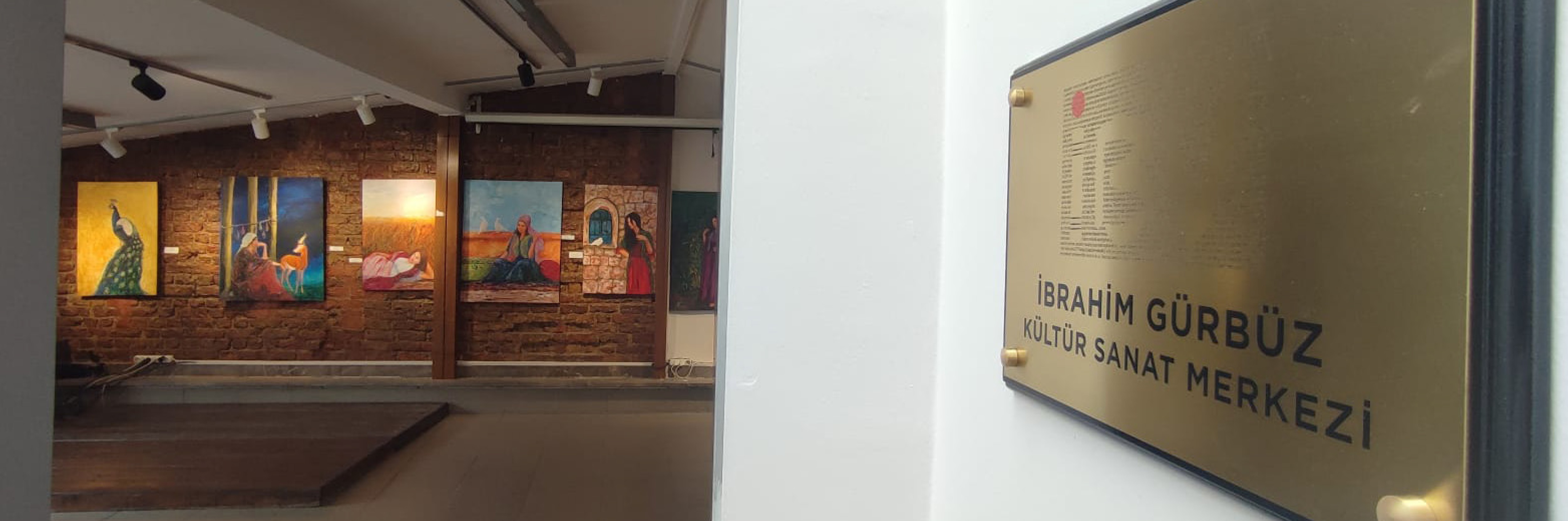
İbrahim Gürbüz Center for Culture and the Arts
İbrahim Gürbüz’s work in building institutions dedicated to culture, the arts, and intellectual inquiry began in 1991 with the founding of the Mesopotamia Cultural Center. It continued in 1992 with the establishment of the Kurdish Institute of Istanbul. In 2004, he founded Radyo Yaşam, extending the scope of his cultural work through broadcasting. In 2012, he and İsmail Beşikci took the lead in establishing the İsmail Beşikci Foundation, marking a new phase in his longstanding commitment to this work. Gürbüz played a central role in founding each of these institutions and was directly involved in the work of bringing them into being.
Gürbüz has authored seven works published in various languages. Throughout his work with these institutions, he has sought to preserve Kurdish language, culture, art, history, and collective memory. At the İsmail Beşikci Foundation, he has worked to advance Kurdish studies, sustain İsmail Beşikci’s scholarly legacy, foster the free expression of critical thought, and defend academic freedom.
The İbrahim Gürbüz Center for Culture and the Arts was established within the İsmail Beşikci Foundation by a resolution of its Board of Directors. The Center seeks to carry forward the cultural legacy Gürbüz has built through decades of work and advocacy. It also aims to foster the free development of Kurdish culture and the arts and to strengthen critical inquiry, freedom of expression, and cultural pluralism.
The Center’s principal areas of work are theatre and classical Kurdish music. It also works to promote the Kurdish language, literature, and cultural heritage.
Areas of Work
To support the development of Kurdish theatre, the Center offers training and workshops in playwriting, acting, directing, and stage production, and organizes theatrical performances. It supports the creation and staging of works in Kurdish and helps bring them to wider audiences. The Center also provides opportunities for emerging theatre practitioners to develop their skills and produce original work. Kemal Orgun directs Çardem Şano, the theatre group established within the Center, and also serves as Director of the Center’s Arts Department.
The Center works to research, preserve, and perform classical Kurdish music and to pass it on to younger generations. It leads efforts to collect and archive traditional repertoire and supports new interpretations that respect the distinctive character of the original works. It also supports established artists and young musicians and helps train a new generation of performers. The Classical Kurdish Music program operates under the direction of Sebahattin Xoce at the Center within the Diyarbakır Branch of the İsmail Beşikci Foundation.
The Center regards classical Kurdish music and theatre as vital to sustaining the language, historical memory, and cultural identity of the Kurdish nation. It sees culture and the arts as essential means through which a nation can understand itself, preserve its memory, and freely shape its future.
The Center organizes conferences, panels, public talks, concerts, theatrical performances, exhibitions, film screenings, and educational workshops. It supports the preservation, archiving, and intergenerational transmission of written, visual, and oral materials relating to Kurdish culture. It also contributes to the development of young artists and cultural workers and encourages original artistic production.
The Center helps build relationships and networks of solidarity among artists, musicians, theatre practitioners, writers, researchers, and cultural institutions working across the different parts of Kurdistan and in the diaspora.
Vision
- To help build a future in which Kurdish language, culture, and the arts can develop freely, the historical memory of the Kurdish nation can be preserved and enriched, cultural rights are guaranteed, and scholarly and critical thought can be expressed freely, without political or ideological pressure.
- To become a strong and independent cultural institution that safeguards the cultural heritage of the Kurdish nation, supports contemporary artistic production, and passes this heritage on to future generations, with particular emphasis on theatre and classical Kurdish music.
- To uphold freedom, equality, pluralism, and gender equality, drawing on the vital role of culture and the arts in sustaining a nation’s existence.
Mission
- To research, collect, and archive classical Kurdish music and pass it on to future generations while preserving its distinctive character.
- To support artists working in classical Kurdish music and contribute to the training of new performers.
- To advance Kurdish theatre through training and workshops in playwriting, acting, directing, and stage production.
- To support the writing and staging of plays in Kurdish and help them reach wider audiences.
- To promote the Kurdish language and literature and support the preservation and development of Kurdish cultural heritage.
- To collect, preserve, and archive written, visual, and oral works relating to Kurdish culture and pass them on to future generations.
- To bring İsmail Beşikci’s scholarly legacy, his approach to critical inquiry, and his work on the Kurdish question to new generations.
- To create independent spaces in which cultural and artistic work can be pursued freely.
- To defend the freedom of expression of artists and cultural workers.
- To support young artists, create opportunities for emerging talent, and encourage original artistic production.
- To organize conferences, panels, public talks, concerts, theatrical performances, exhibitions, film screenings, and educational workshops.
- To build networks of solidarity among artists, musicians, theatre practitioners, writers, researchers, and cultural institutions working across the different parts of Kurdistan and in the diaspora.
- To bring the historical and cultural memory of the Kurdish nation into public view.
- To protect Kurdish language, culture, and the arts through initiatives that address the damage caused by policies of assimilation and cultural denial.
- To foster critical thought and contribute, through culture and the arts, to the development of free individuals and a free society.
“In doing their academic studies or sharing their opinions with their...